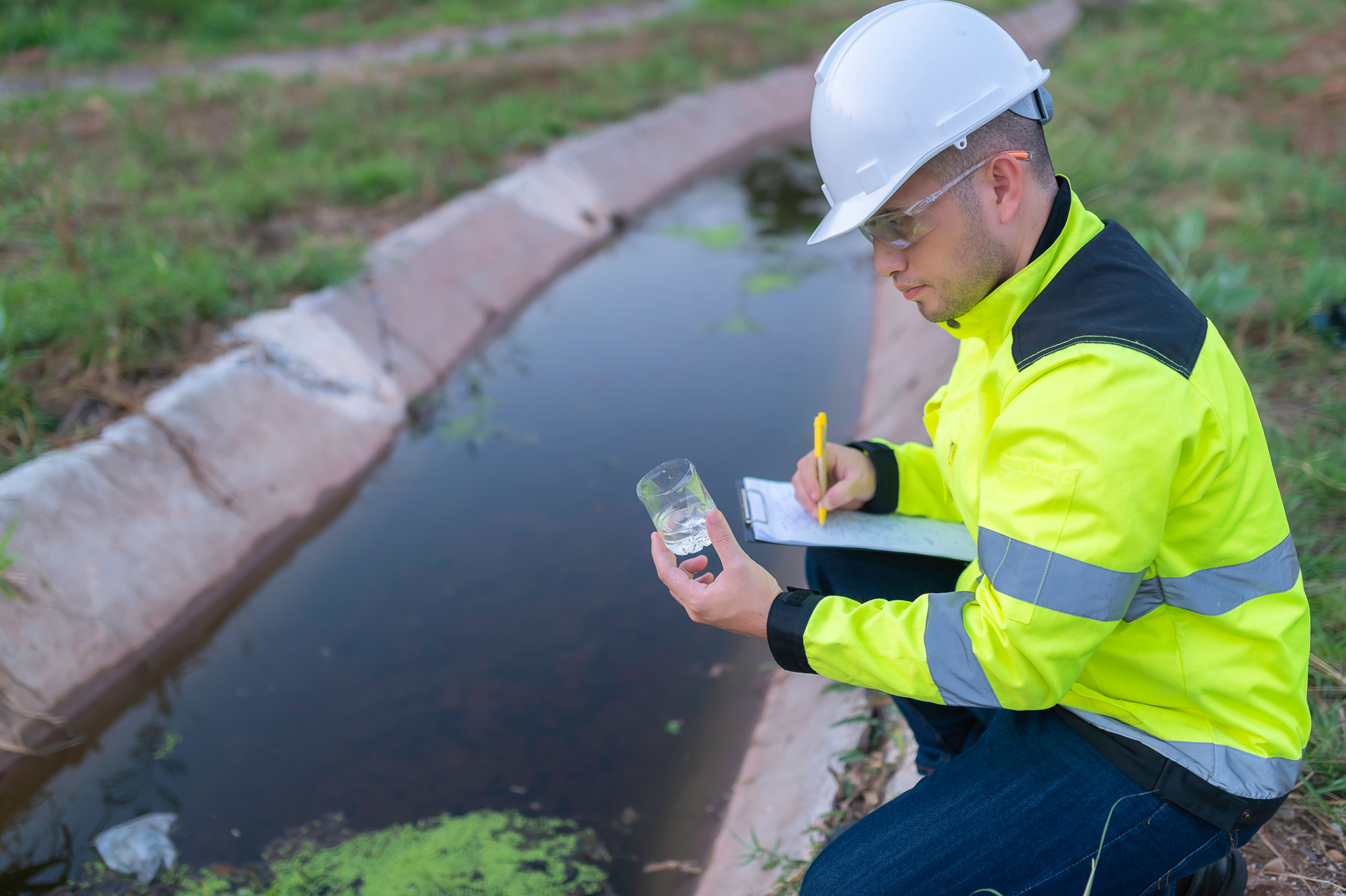
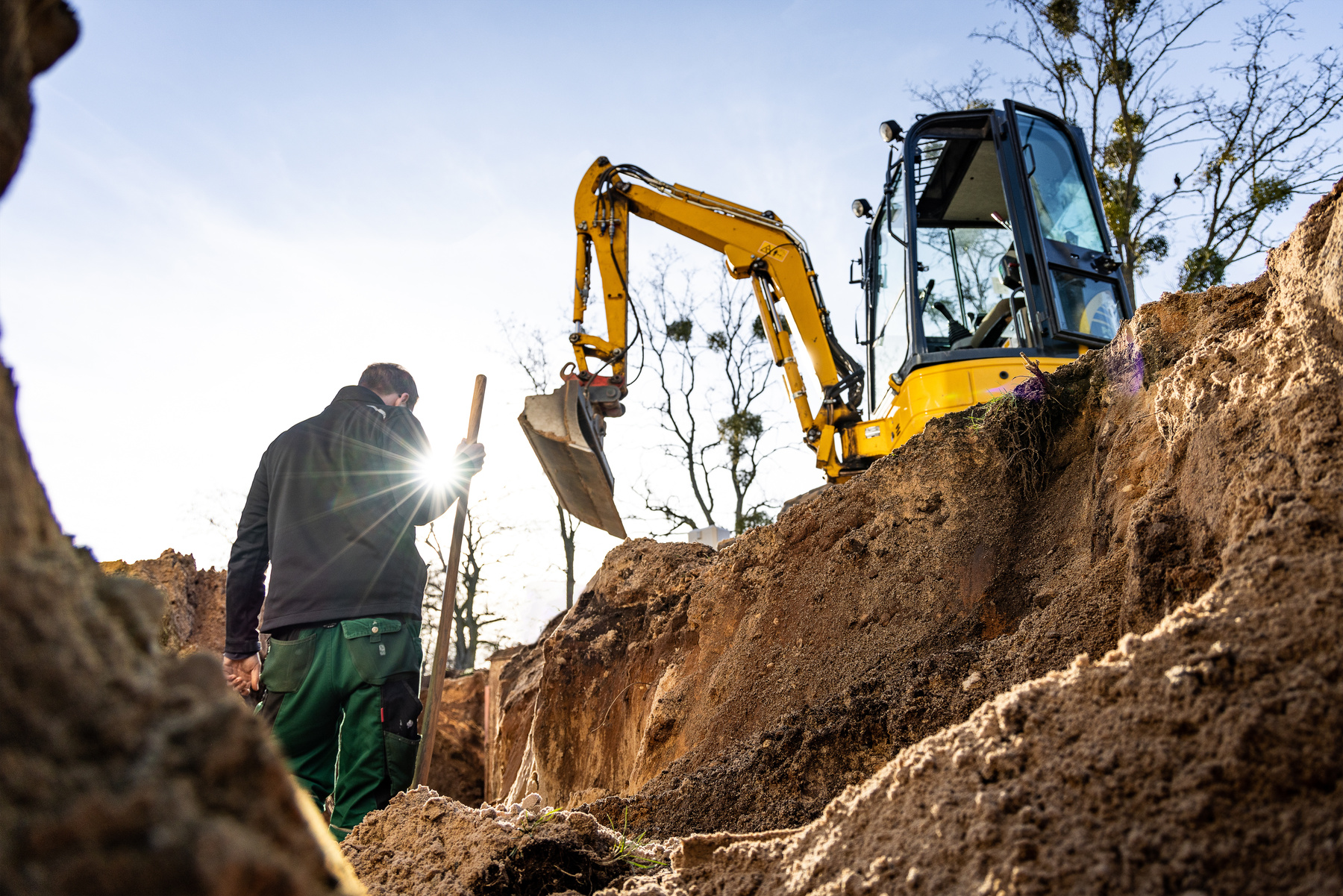
Every foundation, septic system, and building pad depends on what’s under it. Soil testing tells you what you’re working with before you commit money to a design. We perform the tests, interpret the results, and tell you exactly what your land can support, so there are no expensive surprises mid-project.
What We Do
- Percolation Testing – required soil testing for septic system approval
- Soil Evaluation for Septic – determining the right system type for your site
- Building Site Assessment – checking soil suitability before you buy or build
- Compaction Testing Support – verifying pads and fills meet density requirements
- Test Pits & Borings – excavated pits for direct soil profile evaluation
- DHEC Coordination – testing scheduled and documented to meet state requirements
Why Testing First Saves You Thousands Later
Buying land without knowing the soil is a gamble. Poor percolation can force you into an engineered septic system that costs several times more than a conventional one, and unstable soil can drive up foundation costs before you’ve poured a yard of concrete. A soil test costs a fraction of what it protects. Test first, then design, then build. That order saves money every time.
Our Process
- Free Consultation – we discuss your property and what you’re planning to build
- On-Site Testing – test pits dug, samples evaluated, perc rates measured
- Clear Result – findings explained in plain language, not just numbers
- Next Steps – honest recommendations for your septic, foundation, or site work
Frequently Asked Questions
A percolation test measures how quickly water drains through your soil. In South Carolina, it’s required before a septic permit can be issued, so if your property isn’t on public sewer, you’ll need one. It’s also one of the smartest things to do before buying raw land.
Absolutely. A failed perc test or poor soil can dramatically change what a property costs to develop, or whether it can be developed at all. Testing before you close protects you from buying land that can’t support your plans.
The on-site work usually takes a few hours to a day. Results and recommendations follow shortly after. If DHEC involvement is required for septic approval, scheduling can add some time, and we coordinate that for you.
A failed test doesn’t always mean the land is unbuildable. Often an alternative or engineered septic system solves the problem, or a different area of the property tests better. We’ll walk you through the realistic options and what each one costs.